Hilley (is) the real deal. The voice here was bright and heroic yet sufficiently burnished in the middle register to convey the character’s emotional experience. There was plenty of heft, when required, and a radiant hushed upper register. Rarely one to hold back dramatically, he was on fire, especially in Act III, with the necessary stamina to sail through Wagner’s long, drawn-out death scene.
Musical America, Clive Paget
Indeed, it’s fair to say that Hilley is the new heroic Wagner/Strauss tenor on the block…The tenor’s vocal material may be less special than the soprano’s – and he’s less charismatic a presence – but his high notes were steadfast and, more importantly, he has stamina to spare at the point in Act 3 when many Tristans’ voices give up the ghost.
Operalogue, Hugh Canning
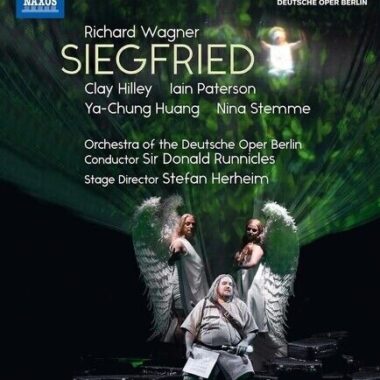
Clay Hilley came to prominence in the Deutsche Oper Ring cycles too and has sung at Bayreuth as Siegfried in Götterdämmerung (with one day’s notice) and subsequently Tristan. He is perhaps the most open-faced – and oddly likeable, character-wise – Siegfried since the heyday of the late and great Alberto Remedios. Hilley’s Siegfried is brash, unaware, belligerent, fearless, naïve, contemptuous and emotionally immature, and much else besides; all explored by some understated acting and making out he was forging and then wielding an imaginary sword (including slow-mo fighting), before later using it to remove Brünnhilde’s (non-existent!) helmet and breastplate. Hilley’s voice is not as lyrical as Remedios’s was, but his stamina is unquestionable and – in my opinion – he sings all the notes of the fiendish part with accomplished ease without resorting to shouting on pitch like Andreas Schager at Covent Garden.
Seen and Heard International, Jim Pritchard
Her Tristan was the American Clay Hilley, one of the small handful of heldentenors – heroic tenors – who can excel in the fiendish role, maintaining stamina right through to the end, which he did, with sterling energy and distinction.
The Observer, Fiona Maddocks
The night belonged to the powerhouse pairing of Lisa Davidsen and Clay Hilley. Their artistry and connection on stage were truly incredible, turning the long, demanding duets into a seamless conversation of souls…Clay Hilley was the perfect Tristan, matching her intensity with a heroic, robust voice that stayed strong until the final breath.
Opera Vibes, Vladimir Drumey
El tenor Clay Hilley ya fue su pareja el año pasado en un memorable primer acto de Die Walküre en este mismo escenario y se pudo comprobar la química y compenetración que hay entre ambos. De voz robusta y sólida técnica, Hilley fue un Tristán más que convincente, capaz de cantar el extenuante rol sin dar en ningún momento muestras de fatiga…Hay que tener en cuenta la dificultad de cantar junto a un coloso como Davidsen capaz empequeñecer al más pintado y, en ese sentido, hay que subrayar la notable prestación vocal del tenor americano.
Platea, Antoni Colomer
Ante la endémica penuria de “heldentenores”, contar con la experiencia en el rol y la resistencia física y vocal de Clay Hilley, supone toda una garantía para cualquier teatro, pues no siempre los tenores llegan vocalmente vivos al tercer acto. Su entrega es absoluta, desde la lógica reserva en el primer acto ante los retos que se avecinan en el segundo y el maratón que le espera en el tercer y último acto. Y Hilley cumple con mucha solvencia, una emisión limpia y buena línea…
Scherzo, Pablo Meléndez-Haddad
“Tannhäuser” an der Staatsoper mit dem famosen Clay Hilley. Wunderschöne Aussprache Wie vor vier Monaten gibt Clay Hilley die Titelpartie. Sein Tenor bietet trompetenhelle Geradlinigkeit, kennt aber auch die federnde Gangart und die zarten Töne. Die Rom-Erzählung gelingt dem US-Amerikaner spannend und intensiv. Eine famose Gesamtleistung.
Der Standard, Stefan Ender
La distribution vocale chargé de porter le récit était, à une exception près, extraordinaire. À tout seigneur tout honneur, rendons grâce au ténor héroïque Clay Hilley qui nous a offert une interprétation très inspirée, faite à la fois d’une fragile tendresse (Waldemar mit Tove Stimme et Du wunderliche Tove, bouleversant), de furie et de rage (Roß!, mein Roß! et Herrgott weißt du Waldemar même si l’orchestre était souvent trop fort) et qui n’a jamais placé sa partition entre le public et lui. Son instrument vocal est un trésor rare qui combine à la fois des graves au timbre barytonal, un médium lyrique souple et des aigus dramatiques qui se déploient autant dans une douceur frémissante que dans une puissance au cuivre doré.
Ludwig van Montreal, Julien Bilodeau
Stamina, high spirits, and a golden instrument made Clay Hilley’s Siegfried a resounding success…American heldentenor clearly had fun swaggering around the stage displaying a madcap arsenal of gestures, postures, and costume changes demanded by Herheim’s hyperactive directorial concept. And in keeping with Herheim’s collaging of historical performances, Hilley was here clad as super-tenor Lauritz Melchior’s 100 years earlier…Hilley did rise to the occasion, top notes ringing in his love duet with his sleeping beauty. Here again, the almost impossible beauty of Wagner’s music, as Siegfried discovers the sleeping Brünnhilde, becomes a living creature in Runnicles hands. The hypnotic chromaticism, the re-invention of the previous themes, Siegfried’s final aria “Sangst du mir nicht”—come alive with Wagner’s evolving leitmotifs.
Opera Wire, Christina Waters
D’une voix d’acier, Clay Hilley franchit les obstacles dressés sur les pas de Siegfried avec une endurance admirable. Heldentenor évidemment, sans la brutalité que l’on associe parfois à cette typologie, élégant au contraire, attentif au texte, sa clarté, son phrasé, avec pour seul talon d’Achille, un aigu parfois serré – non que la note soit imprécise ou extraite au forceps mais on devine alors des limites sinon imperceptibles. Ultime exploit : le duo final, inéquitable en ce qu’il confronte une soprano au saut du lit à un ténor soumis quatre heures durant à rudes épreuves n’accuse aucun déséquilibre.
Forum Opera, Christoph Rizoud
Siegfried gets even better. Herheim has a gift for comedic detail, and there are outstanding performances from Clay Hilley, as a charmingly hulking Siegfried…Hilley, done up like Melchior in some faded production of yore, is a thoughtful, nuanced actor with a good line in irony. Vocally, he’s the finest Siegfried on DVD, with ringing top notes, perfect diction and impressive tonal flexibility.
Opera News, Clive Paget
Downloads
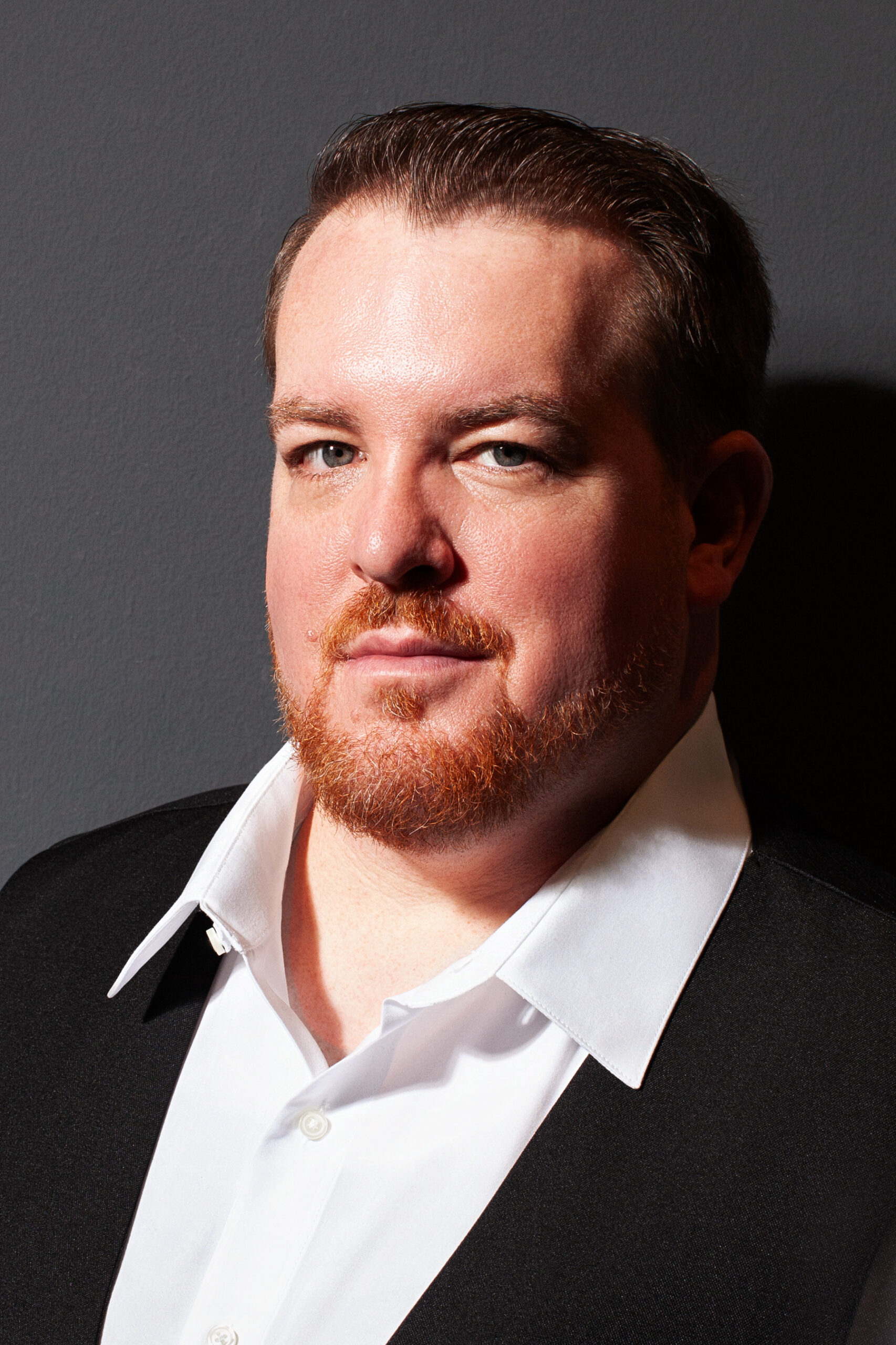
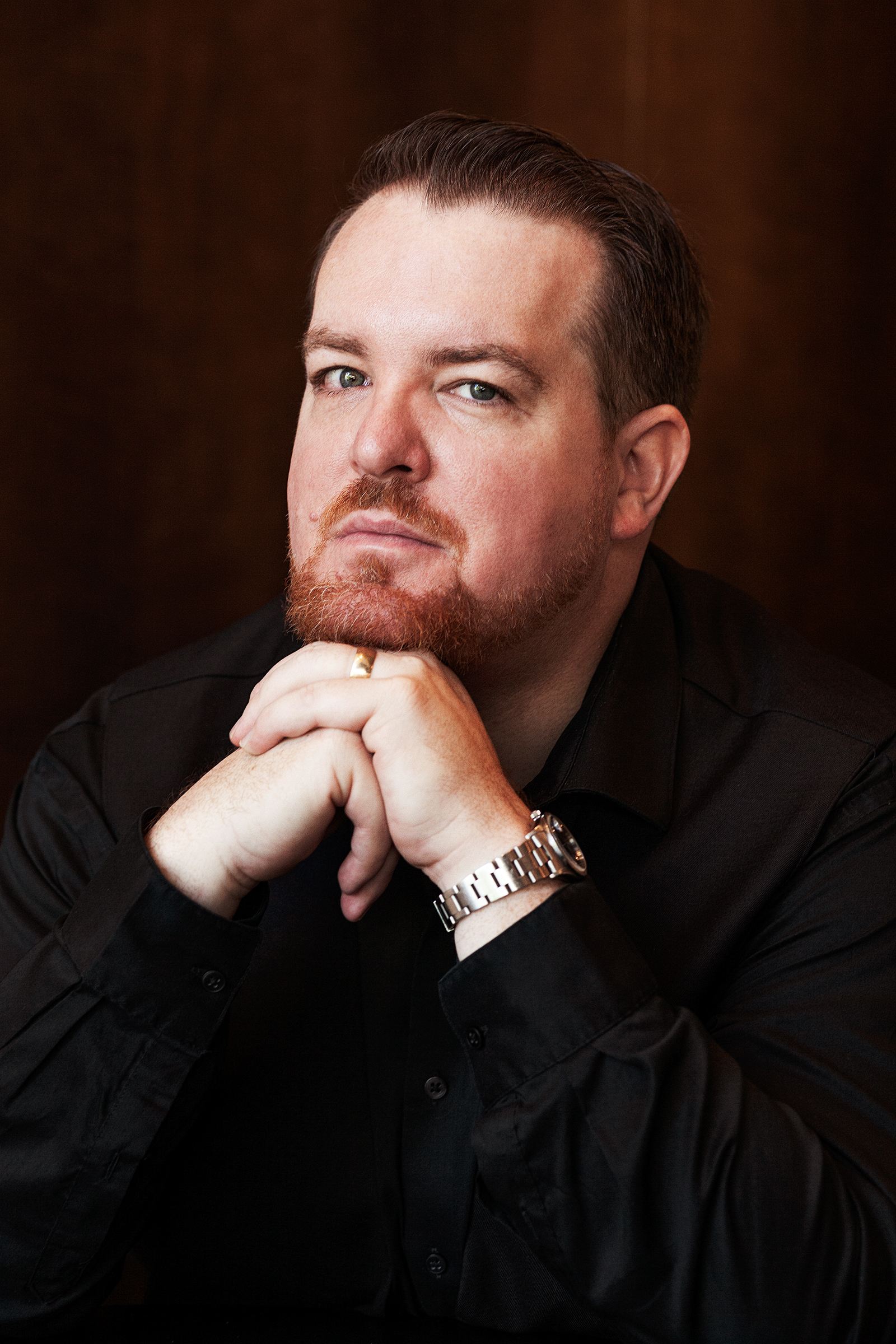
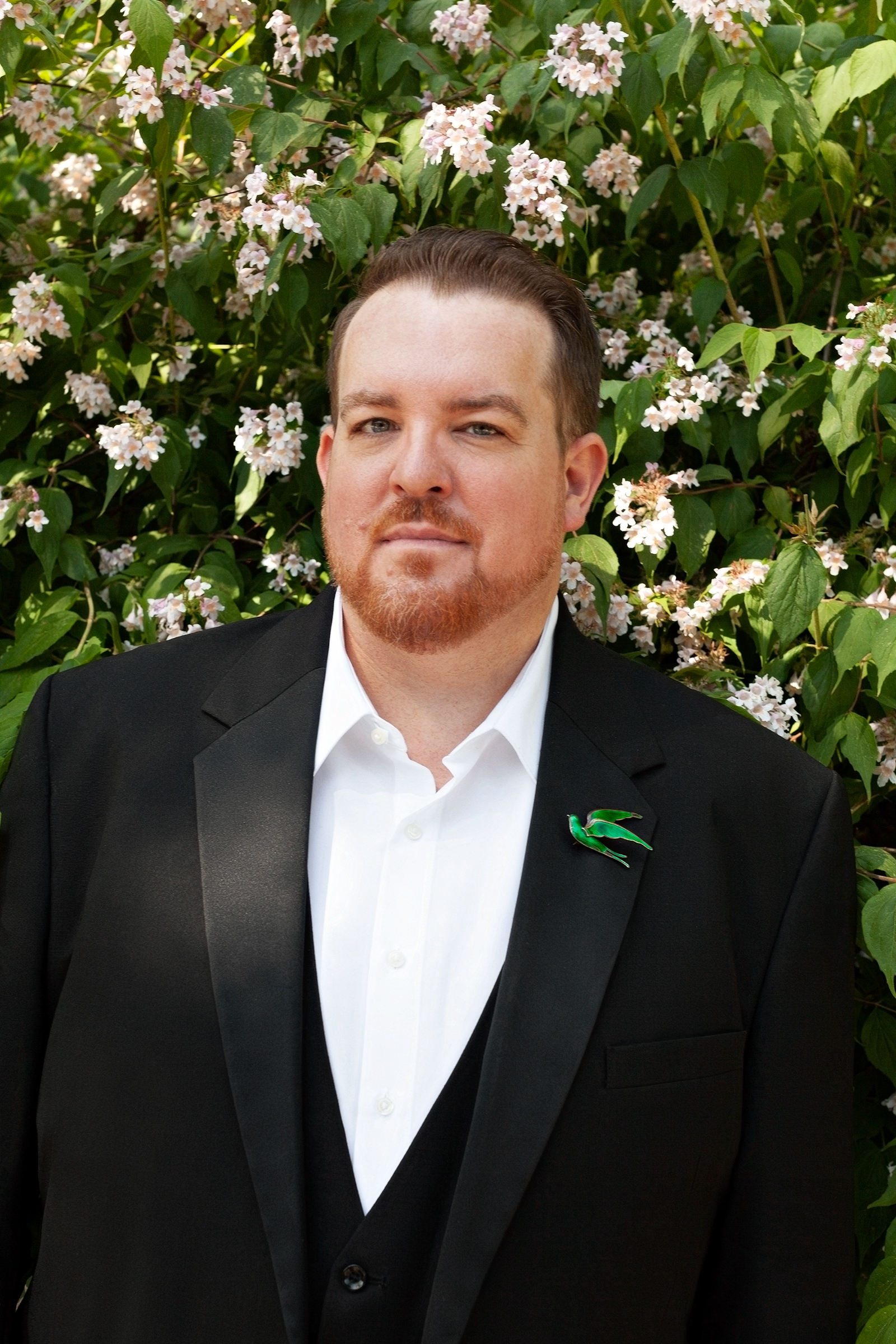
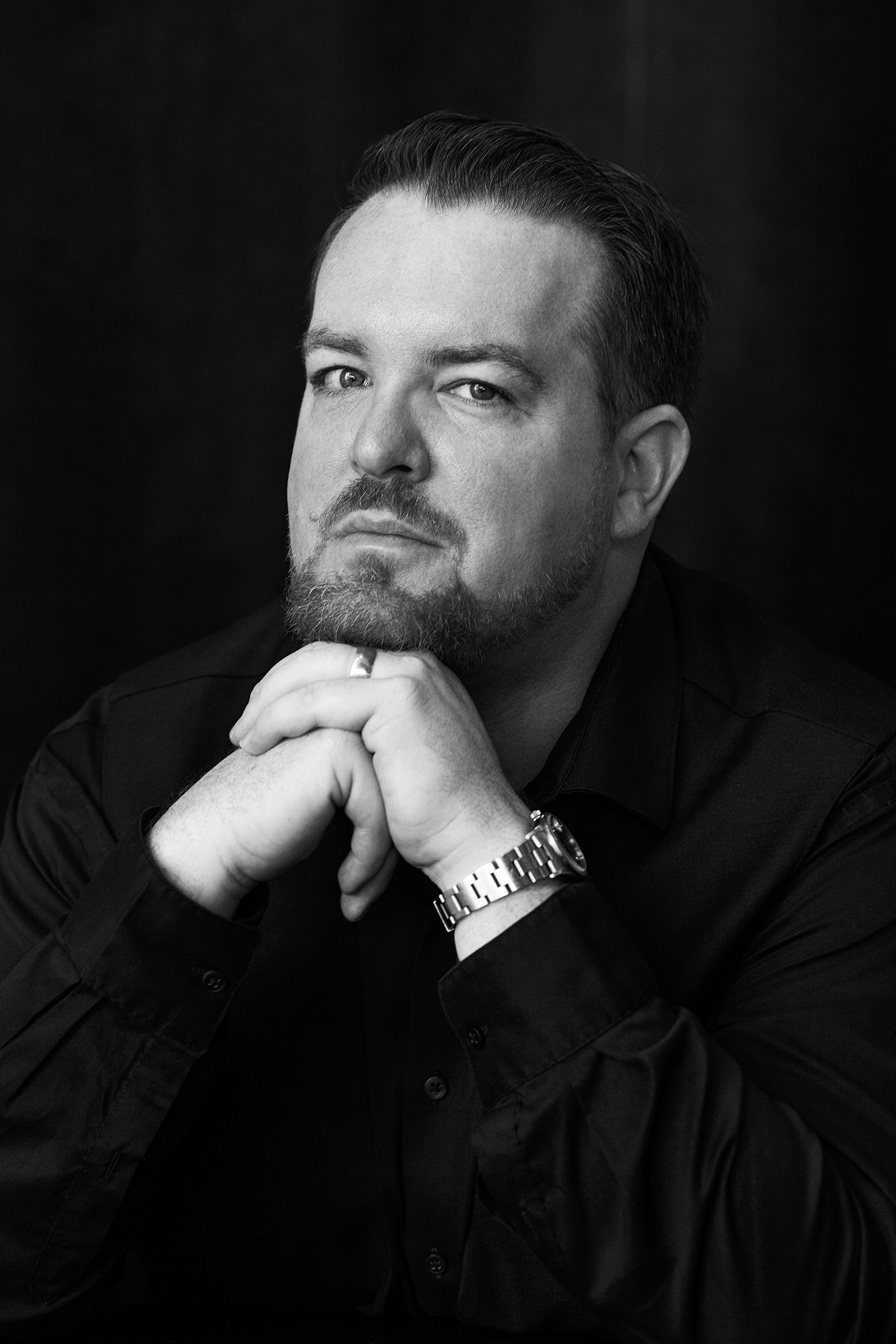
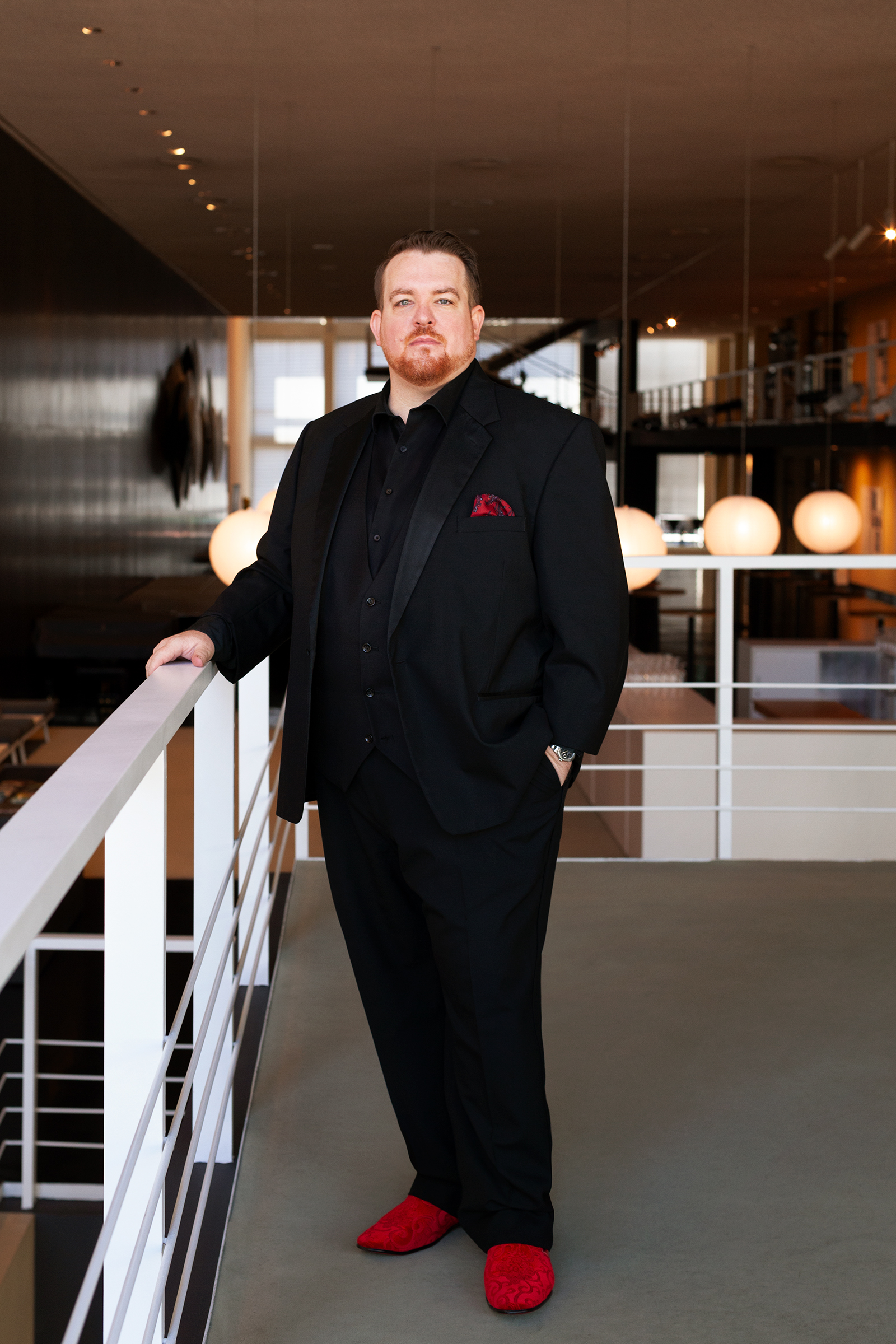



Winning critical acclaim for “vocal heft, clarion sound, and stamina” (New York Times) and for performances described as “close to perfection – powerful, subtle, intelligent, every word crystal clear” (Financial Times), American Heldentenor Clay Hilley garners success in an ever-growing list of opera’s most monumental heroic roles. He is the winner of the 2024 Richard Tucker Music Foundation Award and is proud to represent the legacy of one of the greatest American tenors of the last one hundred years by carrying the honor forward into the 21st Century.
During the 2026-27 season, Clay Hilley’s remarkable artistic journey is celebrated with a Metropolitan Opera debut in the title role of Samson et Dalila. He returns to the Canadian Opera Company to perform Bacchus in Ariadne auf Naxos led by Music Director Johannes Debus and continues to distinguish himself as the leading Wagner Heldentenor with productions of Siegfried, conducted by Daniel Harding, with the Orchestra dell’Accademia Nazionale di Santa Cecilia, in the title role of Parsifal at the Bayerische Staatsoper under the baton of Pablo Heras-Casado, and as the the title role of Tannhäuser at Teatro Real in a company new production by David Hermann led by Music Director Gustavo Gimeno. No less celebrated is his symphonic diary, which includes Gurre-Lieder with the Warsaw Philharmonic Orchestra conducted by Christoph König, the First Act of Die Walküre with Nathalie Stutzmann and the Atlanta Symphony Orchestra, as well as Mahler’s Das klagende Lied with Rafael Payare and the Orchestre Symphonique de Montréal, and Das Lied von der Erde with Jordan de Souza leading the Dortmunder Philharmoniker.
Last season Clay Hilley bowed in the title role of Tristan und Isolde in new productions by Michael Thalheimer at Deutsche Oper Berlin conducted by Sir Donald Runnicles and by Bárbara Lluch at the Gran Teatre del Liceu conducted by Susanna Mälkki. Other return engagements brought him to the Wiener Staatsoper in the title role of Tannhäuser and as Bacchus in Ariadne auf Naxos, to the Bayerische Staatsoper in the title role of Parsifal, and to Deutsche Oper Berlin for a revival of Stefan Herheim’s production of Der Ring des Nibelungen. The tenor achieved remarkable success sharing the stage with Yannick Nézet-Séguin and the Rotterdam Philharmonic Orchestra on a European tour of concert performances of Siegfried, and with his frequent musical partner Sir Antonio Pappano in concert performances of Tristan und Isolde with the London Symphony Orchestra in a run that crowned the season at the Barbican Centre before continuing on tour in Europe.
Clay Hilley made his celebrated debut at the Wiener Staatsoper in the title role of Tannhäuser in a new production directed by Lydia Steier and conducted by Music Director Philippe Jordan. Other highlights of the recent past include Der Kaiser in a new production of Strauss’ Die Frau ohne Schatten directed by Tobias Kratzer and led by Sir Donald Runnicles at Deutsche Oper Berlin, productions of Tristan und Isolde and Götterdämmerung at the Bayreuth Festival, and revivals at Deutsche Oper Berlin of Tannhäuser conducted by Axel Kober and Tristan und Isolde led by Petr Popelka and Sir Donald Runnicles. On the concert stage Hilley made a debut with l’Orchestre Symphonique de Montréal in performances of Gurre-Lieder led by Music Director Rafael Payare, and performed in Mahler’s Das Lied von der Erde with Sir Simon Rattle and the Lucerne Festival Orchestra and with Juraj Valčuha leading the Yomiuri Nippon Symphony Orchestra.
Beyond Wagner, Clay Hilley has appeared as Beethoven’s Florestan (Fidelio) for the Canadian Opera Company, with conductor Johannes Debus, Strauss’s Bacchus (Ariadne auf Naxos) at the Hong Kong Arts Festival with the orchestra of the Bayerische Staatsoper under Patrick Lange, and in his Staatsoper Hamburg debut as Laca in Janáček’s Jenůfa with performances conducted by Tomáš Netopil.
Vocally and dramatically assured in even the most challenging repertoire, recent high-profile role debuts include Die Frau ohne Schatten with the Berlin Philharmonic and Kirill Petrenko, both in concert at the Berlin Philharmonie and in a new staging by Lydia Steier at the Baden-Baden Festival, as well as the Drum Major in Deborah Warner’s new production of Berg’s Wozzeck for the Royal Opera House Covent Garden conducted by Music Director Sir Antonio Pappano – also the tenor’s company debut.
As an artist accomplished on the world’s leading concert stages, recent highlights include Mahler’s Eighth Symphony with Marin Alsop and the Chicago Symphony Orchestra at the Ravinia Festival, and Das Lied von der Erde with the Houston Symphony and Juraj Valčuha, Saint Louis Symphony Orchestra and Stéphane Denève, and the Accademia Nazionale di Santa Cecilia under Sir Antonio Pappano where he subsequently returned for Kodaly’s Psalmus Hungaricus.
Concert performances of opera are also a fixture of the busy tenor’s schedule: Clay Hilley has been heard as Florestan (Fidelio) for both Atlanta Symphony Orchestra under Robert Spano and the Edinburgh International Festival with Sir Donald Runnicles and The Philharmonia; in Act Two of Tristan und Isolde with Edward Gardner and the Orchestra of the Norwegian National Opera; in Act Three of Siegfried with Erik Nielsen and the Bilbao Symphony; and as Radamès in Act Three of Aïda with Nicola Luisotti and the Atlanta Symphony Orchestra.
The tenor’s burgeoning video catalogue includes Der Ring des Nibelungen from Deutsche Oper Berlin (Naxos) – about which Opera News wrote, “Vocally, he’s the finest Siegfried on DVD, with ringing top notes, perfect diction and impressive tonal flexibility” – and Götterdämmerung filmed at the Bayreuth Festival (Deutsche Grammophon).

Siegfried: Rotterdams Philharmonisch Orkest
Tristan und Isolde: Gran Teatre del Liceu
Die Frau ohne Schatten: Berliner Philharmoniker
Das Lied von der Erde: Orchestra dell'Accademia Nazionale di Santa Cecilia
Contact
General Management
Bill Palant, Étude Arts
Ansonia Station,Post Office Box 230132
New York, New York 10023
Tel: 929.777.0775
Email: [email protected]