
And we cannot forget baritone Andrew Foster-Williams as the mage (although in this production acts more as a supernatural entity). I could listen to his voice all day, bold, commanding, clear and enigmatic. The bass/baritone moments in Handel are usually when audiences flick through the programme or wonder if they’ll catch the last train home. But Foster-Williams had us gripped, a proper showman and an absolute natural on stage.
Opera Now, Jonathan Whiting
Andrew Foster-Williams’s superb, magician-like Don Alfonso is a kind of Oberon figure, half sinister trickster, half playful chum…
The Times, Richard Morrison
Andrew Foster‑Williams is excellent as Don Alfonso. His bass‑baritone fills the Coliseum with real authority, and he manages to be dry, clever, and quietly commanding without ever pushing too hard. He anchors the production, and his scenes with the returning circus troupe are some of the most enjoyable in the show.
The Recs, Iain Terry
Andrew Foster-Williams is on superb form as spivvy Don Alfonso.
The Guardian, Erica Jeal
Andrew Foster-Williams returns to the stage at La Monnaie in the role of Gunther, king of the Gibichungen. The bass-baritone, who previously played Donner in Das Rheingold, distinguished himself with a deep, generous and serious timbre. Here, he is imposing with an elegant, refined prosody and an authority imbued with humanity.
Olyrix, Soline Heurtebise
Bass-baritone Andrew Foster-Williams finds just the right combination of awe and empathy intoning the Priest’s ‘Proficiscere, anima Christiana’, his proclamation sharpened by the rasp of period brass. In Part Two he is an appropriately solemn, firm-toned Angel of the Agony, his delivery prayerful and heartfelt… This is unquestionably a great recording of Gerontius, one that every Elgarian should have ★★★★★.
BBC Music Magazine, Terry Blain
Andrew Foster-Williams cuts a powerful figure as the Priest… and his impassioned, more mordant aria as the Angel of the Agony, replete with some of the most anguished chromaticism in the work, provides a powerful foil and preparation for the dramatic culmination of Gerontius’s glimpse of the Almighty.
Gramophone, Jeremy Dibble
Andrew Foster-Williams gave his Don Alfonso a standout performance with an animated voice. He was the arch manipulator inhabiting roles within the narrative as well as directing the characters and events.
New Zealand Arts Review, John Daly-Peoples
The production also had a sly Don Alfonso in the form of Andrew Foster-Williams, wry and world-weary but with a warmth and grain to his tone that belied the cruelty of his actions.
Bachtrack, Simon Holden
Andrew Foster-Williams’ Balstrode has become a fascinating bundle of uncertainty with a hard-hitting baritone and immense charisma.
Online Merker, Renate Wagner
With his never over loud, ironic demonry, Andrew Foster-Williams makes perfect casting in the roles of the four villains.
Neue Zürcher Zeitung, Christian Wildhagen
The Four Villains are admirably suited to Andrew Foster-Williams, who with his quilted and mischievous phrasing manages to reveal a specific character to each of the “devils” (moreover in the most refined French language of the cast).
Opera Online, Thibault Vicq
It is remarkably well served by singers who speak as well as they sing… With his asides and banter, this Méphistophélès is close to that of Goethe, and Andrew Foster-Williams plays him with an infectious pleasure.
Télérama, Sophie Bourdais
Downloads




Discography


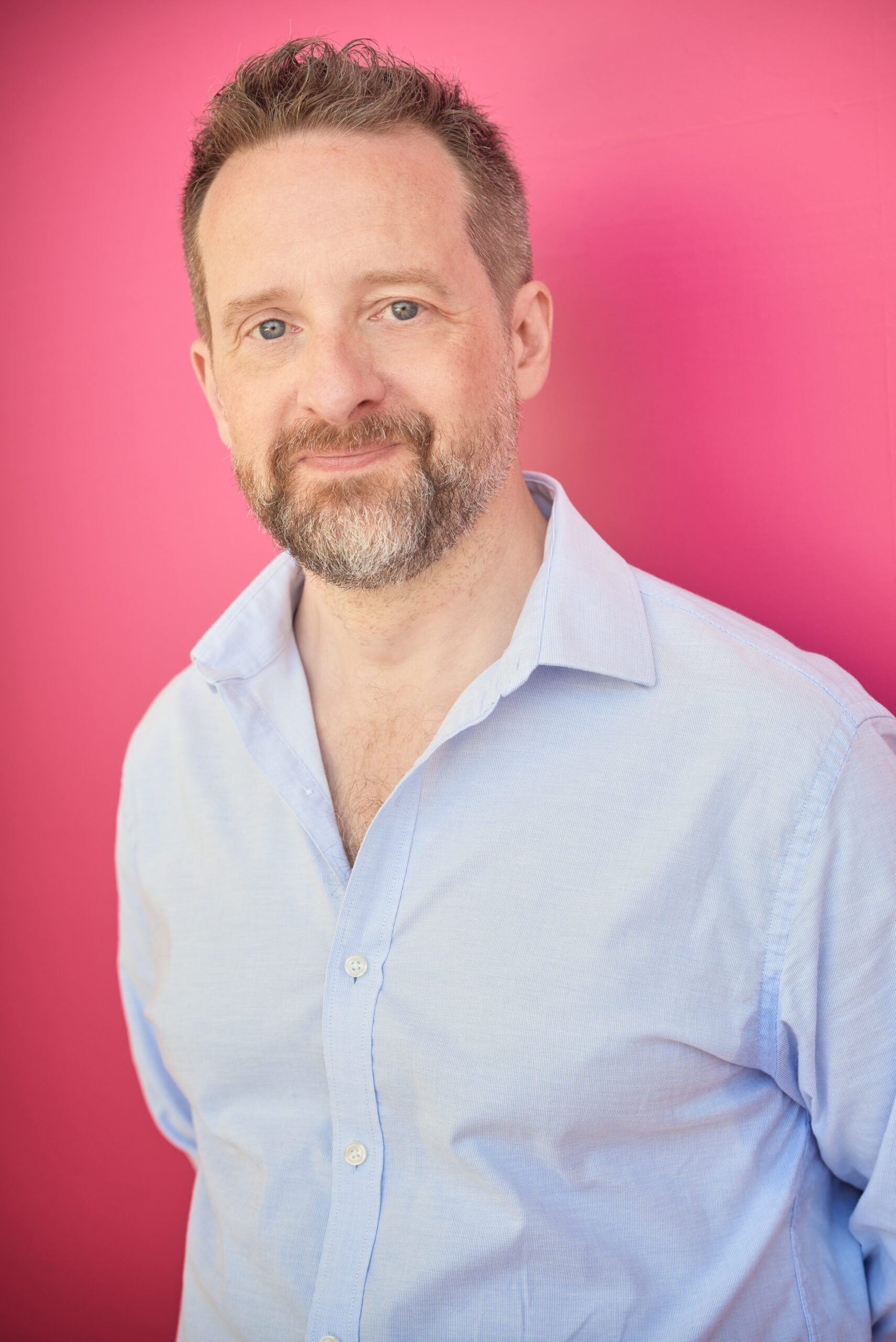
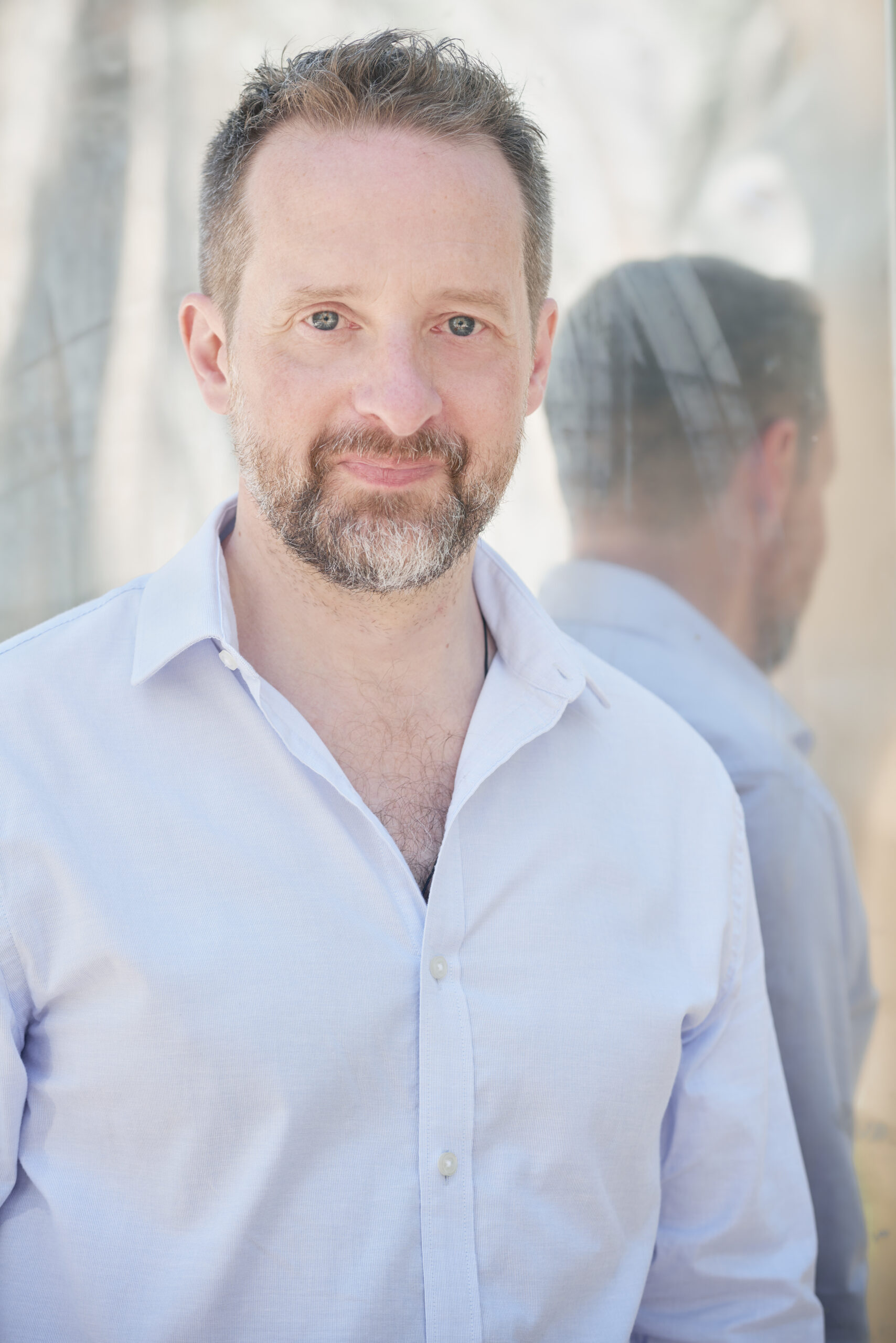
Andrew Foster-Williams has carved out a distinguished international career playing a wide range of operatic roles, each brought to life with vocal authority, dramatic insight, and stylistic finesse. His artistry is defined not only by the breadth of his repertoire but by the depth with which he inhabits each role whether villainous, noble, comedic or tragically complex.
As one of opera’s most formidable antagonists, his portrayal of Don Pizarro (Fidelio) at Theater an der Wien and Philharmonie de Paris brought his ability to channel menace with vocal precision to the fore. As the Four Villains (Les contes d’Hoffmann), he demonstrated his remarkable versatility in a new production by Andreas Homoki at Opernhaus Zürich and in subsequent productions for Gothenburg Opera and Komische Oper Berlin, and his Nick Shadow (The Rake’s Progress) at Opéra National de Lorraine was acclaimed for its fatal blending of charm and danger in equal measure. He returns to English National Opera this season as Don Alfonso (Così fan tutte) in Phelim McDermott’s 1950’s “rollercoster of a production,” conducted by Dinis Sousa.
Andrew Foster-Williams’ portrayals of Gunther in Pierre Audi’s acclaimed new Götterdämmerung and of Kurnewal in Ralf Pleger’s staging of Tristan und Isolde, both at La Monnaie and conducted by Alain Altinoglu, have demonstrated his ability to embody the dignity and inner conflict of Wagnerian figures. Equally compelling are his interpretations of roles that demand moral weight and emotional complexity. His Captain Balstrode (Peter Grimes) at Theater an der Wien and Opéra de Lyon was praised for its warmth and integrity, and as Lysiart (Euryanthe), also at Theater an der Wien, he added psychological tension to the opera’s romantic intrigue. Delving further into introspective territory, Foster-Williams’ portrayal of Golaud (Pelléas et Mélisande) at Theater Basel captured brooding jealousy and vulnerability.
Outside the opera house, Andrew Foster-Williams has built an impressive concert profile, and this season sees him in two of his signature pieces, Elgar’s The Dream of Gerontius, with Munich Philharmonic under Andrew Manze and Tampere Philharmonic conducted by Matthew Halls, and Brahms Ein deutsches Requiem with BBC National Orchestra of Wales with Hans Graf and with Andrew Manze conducting Polish National Radio Symphony. New pieces added to his repertoire this season include Sibelius Kullervo with Estonian National Symphony under Matthew Halls and Michael Haydn Requiem with Munich Philharmonic and Riccardo Minasi.
His recording of the The Dream of Gerontius with Paul McCreesh and the Gabrieli Consort and Players, released on Signum, has received widespread acclaim, winning the 2024 Gramophone Award for best recording in the choral category and the 2025 BBC Music Magazine Choral Award. Further credits include engagements with Cleveland Orchestra, San Francisco Symphony, Royal Concertgebouw Orchestra, and London Philharmonic.
Andrew Foster-Wiliams discography includes acclaimed recordings such as Beethoven’s Cantata on the Death of Emperor Joseph II and Haydn’s The Seasons, as well as award-winning contributions to the Opéra français series. His performance in The Fairy Queen with Glyndebourne Festival Opera, captured on DVD, earned a Gramophone Award.
La Monnaie, Götterdämmerung
Theater an der Wien, Fidelio (Leonore 1805)
Houston Symphony, Brahms Ein deutsches Requiem
Contact
General Management
Harrison Parrott
Shirley Thomson, Director & Head of Vocal
Email: [email protected]
www.harrisonparrott.com
Management (The Americas)
Bill Palant, Étude Arts
Ansonia Station, Post Office Box 230132
New York, New York 10023
Tel: 929.777.0775
Email: [email protected]